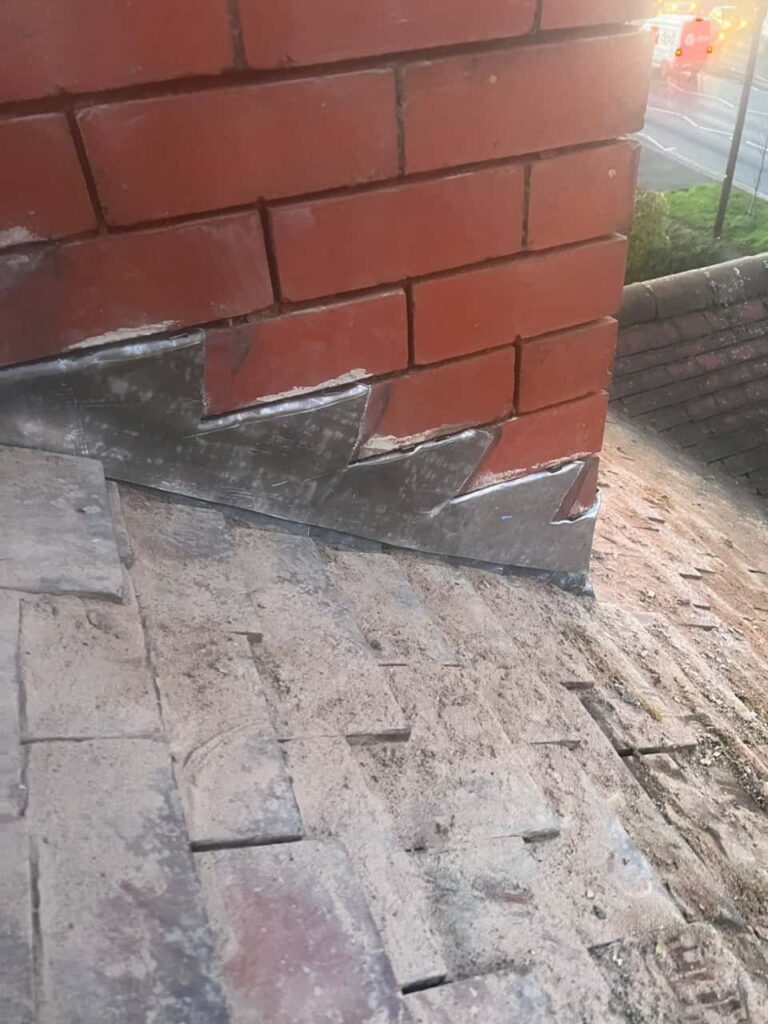
How Can You Choose the Right Roofing Work for Your Home’s Condition?
Choosing roofing work is easier when the decision is based on the roof’s actual condition rather than one visible symptom. A slipped tile, damp patch or worn section of felt may need a targeted repair, while several recurring problems could point to wider deterioration. For homeowners in Sandy, Bedfordshire, a professional inspection can help identify the cause and establish what work is appropriate.
Choose roofing work that matches the problem
Start with the signs you have noticed
Make a note of changes inside and outside the property. Useful details include when a leak appears, whether it follows heavy rain or strong winds, and whether the same area has needed attention before. From the ground, you may also notice missing or displaced tiles, damaged flashing, sagging gutters or visible wear to a flat roof.
Avoid climbing onto the roof to investigate. A roofer can inspect difficult or unsafe areas and check whether the visible symptom is connected to a wider issue.
Understand the main types of roofing work
The appropriate work depends on the location, cause and extent of the damage:
- Roof repairs can address isolated problems such as a slipped tile, a damaged ridge or a small area of failed flashing.
- Roof maintenance can help deal with developing issues, such as loose components or deteriorating details, before they lead to water entering the property.
- Flat roof repairs may be suitable for localised splits, lifting edges or defects around roof details, depending on the condition of the surrounding covering.
- Roof replacement may be considered when deterioration is widespread, problems keep returning, or the roof covering has reached a stage where repairs are no longer a reliable long-term solution.
These are general guides rather than a diagnosis. Similar symptoms can have different causes, so the roof needs to be assessed before deciding on the work.
Look beyond the visible leak
Water can travel along roof timbers or other surfaces before appearing on a ceiling, so the damp patch may not be directly below the entry point. Replacing a tile near the stain may not resolve the problem if the water is getting in around flashing, a roof junction or another vulnerable detail.
A thorough inspection considers the roof covering, ridges, valleys, flashing and other junctions, as well as signs of damage inside the property. Finding the source helps ensure that the recommended work addresses the cause rather than only the visible effect.
Consider whether the problem is isolated or recurring
One damaged section may be suitable for a focused repair. If leaks return after previous work, several roof areas show wear, or similar defects keep appearing, it may be sensible to assess the roof as a whole.
Ask the roofer to explain:
- what they found and where the defect is located;
- what may have caused it;
- whether the issue appears isolated or part of broader deterioration;
- what work they recommend and how it addresses the cause.
Clear explanations help you compare the condition of the roof with the proposed work and make an informed decision.
Act promptly when water is entering
Active leaks, falling roof materials, or signs of a roof structure sagging need prompt attention. If water is coming inside, keep clear of affected electrical fittings and place a container beneath a drip only if it is safe to do so. Do not attempt temporary work on the roof yourself.
Even when there is no immediate leak, cracked coverings, loose tiles or deteriorating flashing are worth having checked. Early assessment can clarify whether a small repair is appropriate or whether the roof needs more extensive work.
Choose a roofer who inspects before recommending work
A reliable recommendation should be based on the roof’s condition, not on a single assumption. Look for a roofer who explains their findings in plain language, identifies the areas that need attention and sets out why the proposed work is suitable. This makes it easier to understand whether the recommendation is for a repair, maintenance or replacement.
Conclusion
The right roofing work depends on the cause, extent and pattern of deterioration. A localised defect may need a repair, while recurring leaks or wear across several areas may call for a broader assessment. If you have concerns about your roof in Sandy, Bedfordshire, contact FP Roofing Sandy to arrange an inspection and discuss suitable next steps.
Call us on: 01767 667 088
Click here to find out more about FP Roofing Sandy
Click here to complete our contact form and see how we can help with your roofing needs.